
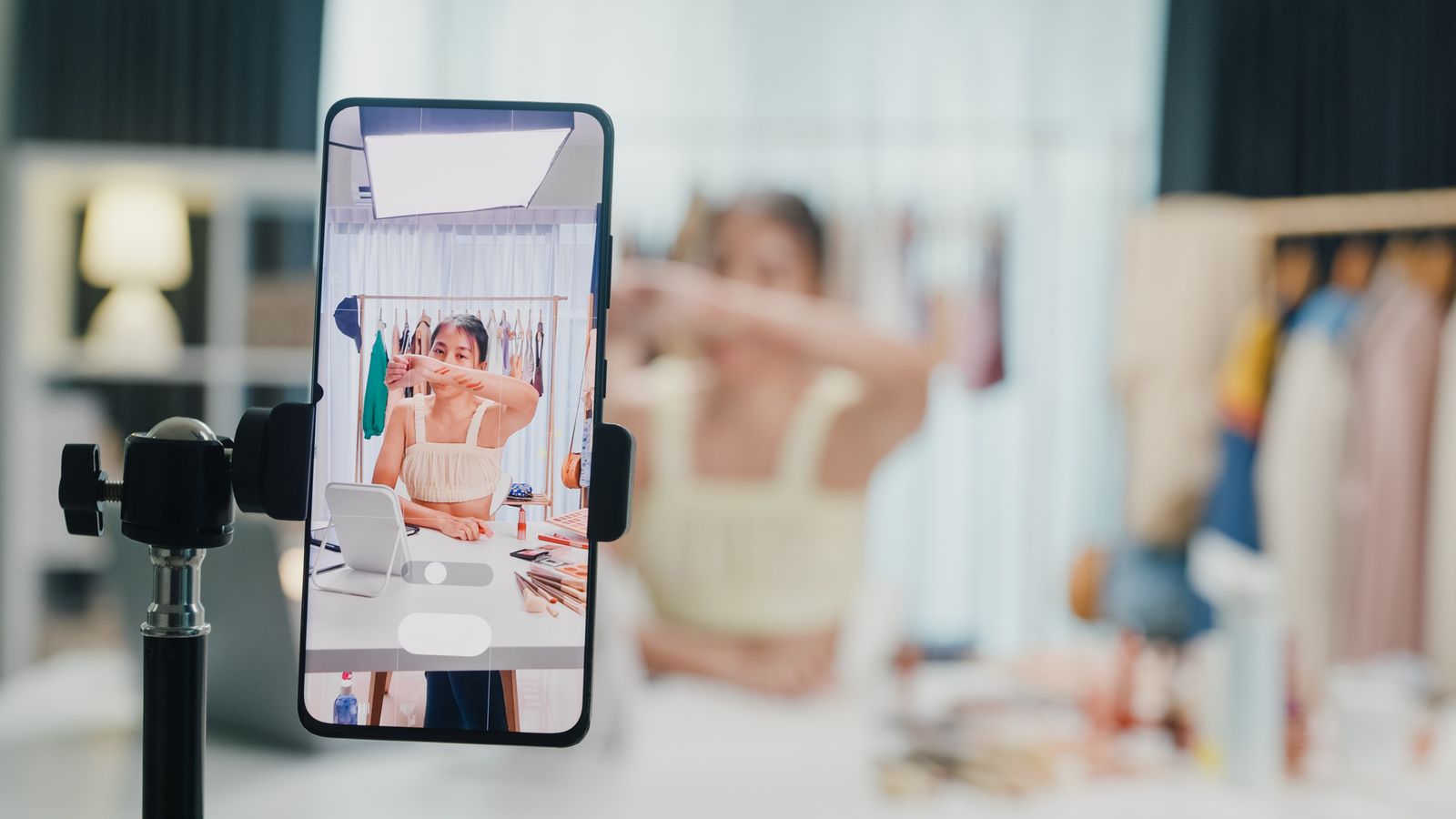
Record at home if your show is audio-first, you publish often and your budget is tight. Book a studio when video matters, when guests are in the room with you, or when the show represents a business and has to look and sound the part.
Most podcasters end up somewhere in between, so this guide lays out the trade-offs fairly. If you’re on Vancouver Island or coming over from Vancouver, our podcast studio in Nanaimo is one option, but the questions below apply wherever you record.
The side-by-side comparison
| Recording at home | Recording in a studio | |
|---|---|---|
| Sound | Depends on your room. Hard surfaces cause echo; fridges, traffic and neighbours get in. Good mics help but don’t fix a bad room. | Treated room, professional microphones and someone monitoring levels while you record. |
| Picture | Usually one webcam or camera, mixed light from windows and lamps, and a background that’s hard to change. | Multiple camera angles, controlled lighting and a choice of sets, including virtual sets. |
| Set and look | Your spare room or office. Fine for some shows, distracting for others. | A designed set that stays consistent episode to episode. |
| Your time | Setup, testing, recording, troubleshooting and teardown are all on you. | Walk in, sit down, talk. The crew handles the technical side. |
| Guests | Easy for remote guests; in-person guests need space, mics and chairs. | Built for in-person conversations. |
| Up-front cost | Gear purchase, then mostly your time. | No gear to buy; you pay per session or per package. |
| Editing | You edit, or you hire an editor. | Often recorded with live switching between cameras, so less editing is needed afterwards. |
Neither column wins everywhere. The right choice depends on what your show is for.
When home recording is enough
Home recording is a good fit when:
- Your show is audio-only. A decent USB or XLR mic, a quiet room with soft furnishings and some practice get you a long way.
- You publish often and quickly. Weekly solo episodes, news commentary or quick reaction shows benefit from being able to hit record whenever you want.
- Your guests are mostly remote. If nobody is coming to you, a studio’s in-room advantages matter less.
- You’re testing an idea. Recording five or six episodes at home is a sensible way to find out whether you enjoy making the show before you spend money on it.
A few cheap fixes make a big difference at home: record in the smallest, softest room you have (a closet full of clothes works), turn off fans and fridges, keep the mic close to your mouth, and record a short test before every session.
When a studio pays off
A studio starts to earn its cost when:
- Video is part of the plan. YouTube, Spotify video and short clips for Reels, Shorts and LinkedIn all need a good picture. Multi-camera angles, flattering light and a clean set are hard to get at home.
- Guests are in the room with you. Two or three people around one table need matched microphones, separate camera angles and someone watching the levels.
- The show represents your business. If the podcast is part of how clients, recruits or partners see your company, sound and picture quality reflect on you.
- You want a set that fits the show. In a virtual production studio you can choose a talk-show set, a home office or a branded environment without building anything. See what virtual production is for how that works.
- Your time is worth more than the session fee. If you’re spending hours on setup and editing, handing that off can be the cheaper option.
Hourly session or done-for-you?
Studios usually offer two ways to work. You can book time and handle the rest yourself, or have the studio record, edit, publish and clip each episode.
At MediaHive, podcast packages cover 1, 2 or 4 episodes a month, and include hosting, distribution to podcast platforms, posting and short social reels. Because the studio records and edits live, raw content can be ready the same day or the next day if you’d rather publish it yourself.
Not sure which fits your show? Book a strategy call and we’ll talk through format, schedule and budget.
How to decide
Ask yourself three questions.
1. Is video essential to how people will find and watch the show?
If you’re planning to grow on YouTube or cut clips for social media, picture quality matters, and a studio usually gets you there faster. If your audience listens in the car or on a run, home audio may be all you need.
2. Who’s in the room?
Solo hosts and remote interviews work well at home. Regular in-person guests, co-hosts or panels are much easier in a studio.
3. What is your time worth, and how consistent do you need to be?
Count the hours you spend setting up, recording, fixing problems and editing. If a session in a studio lets you batch-record a month of episodes in one visit, the cost per episode can compare well with doing everything yourself.
Many shows use both: a studio for launch episodes, guest interviews and video, and home recording for quick solo updates between them.
FAQ
01How much does a podcast studio cost?
It depends on whether you book a room by the hour or a produced session with a crew and editing. Published Vancouver rates range widely, and minimum bookings and extra fees matter as much as the hourly rate.
02Can I get good sound at home?
Yes, if you control the room. A quiet, soft-furnished space, a good dynamic microphone held close, and a test recording before each session solve most problems. Echo and background noise are harder to fix in editing than to prevent.
03Can guests join remotely?
At home, remote guests are easy with recording tools that capture each person locally.
04Do I need video for my podcast?
Not always. Audio-only shows can do very well. But video opens up YouTube and short social clips, which are some of the easiest ways for new listeners to discover a show.
05Can a studio help if I’ve never made a podcast before?
Yes. Some MediaHive packages include guides, prompts and a content creation course, and the team can help plan and outline episodes, so first-time hosts don’t have to work it out alone.
Ready to hear the difference? Book a strategy call to plan your first studio session.